



The short answer
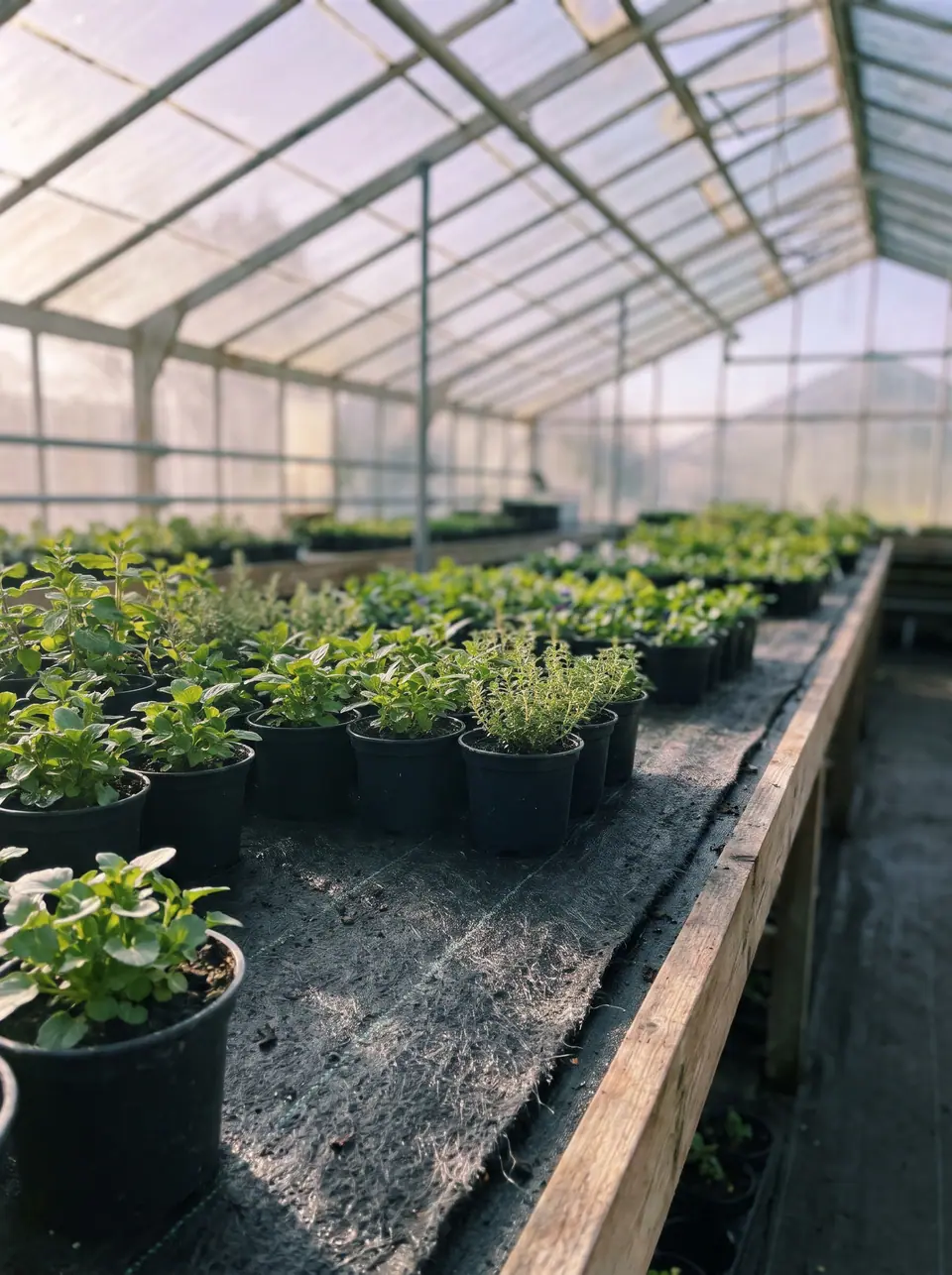
For indoor nursery and garden-centre benches, Lantor 2H (300 g/m², 4 L/m², 4 mm) is a sound starting point. Choose Algon where an easy-clean surface matters on retail display, an 8 mm grade (Lantor 4H or Algon 4H, 5 L/m²) for floor level or outdoors, and GroundCloud Purple for large areas or widths up to 4.3 m. Living walls need a wicking felt instead.
- Lantor 2H (300 g/m², 4 L/m²) is the standard indoor bench grade.
- Algon adds an easy-clean polypropylene surface for retail display: it adds weight, not water.
- For floor level or outdoors, use an 8 mm grade: Lantor 4H or Algon 4H at 5 L/m².
- GroundCloud Purple holds more water than GroundCloud White (3.5 vs 2.5 L/m²).
- Wicking felts trade storage for lift: the thinnest felts raise water highest.
Capillary matting grades compared
All figures are nominal: weights ±5%, thickness ±0.5 mm. Lantor and Algon grades are rated at about 2–3 seasons, depending on the site.
| Grade | Construction | Weight | Water holding | Thickness | Standard rolls | Rated for |
|---|---|---|---|---|---|---|
| Lantor 1H | Latex-bonded wool felt | 250 g/m² | about 2.5–3 L/m² | 3 mm | up to 1.96 m × 50 m | Indoor |
| Lantor 2H | Recycled wool and textile fibre, latex-bonded | 300 g/m² | 4 L/m² | 4 mm | up to 1.96 m × 50 m | Indoor |
| Lantor 4H | Wool and mixed fibre, bonded | 550 g/m² | 5 L/m² | 8 mm | up to 1.96 m × 25 m | Indoor and outdoor |
| Algon 2H | Lantor 2H base + 40 g/m² easy-clean polypropylene surface | 350 g/m² | about 3 L/m² | 3.5 mm | 1 or 1.42 m × 50 m | Indoor and outdoor |
| Algon 4H | Lantor 4H base + easy-clean polypropylene surface | 600 g/m² | 5 L/m² | 8 mm | 1 or 1.22 m × 25 m | Outdoor |
| GroundCloud Purple | Needle-punched recycled acrylic on a 20 g/m² scrim | 275 g/m² | 3.5 L/m² | 4 mm | 1–2 m × 50 m; 0.5–4.3 m to order | Nursery and retail benches |
| GroundCloud White | Needle-punched viscose blend on a 25 g/m² white scrim | 275 g/m² | 2.5 L/m² | 4 mm | 1–1.5 m × 50 m; up to 4.3 m to order | Nursery and retail benches |
How to read a capillary matting spec
Four numbers matter, and they don't always move together.
- Weight (g/m²) tells you how much material is in each square metre. It is not a measure of water.
- Water holding (L/m²) is the reserve under each pot. 1 L/m² equals a 1 mm depth of water across the mat. Compare figures only when they were measured the same way, and ask a supplier how theirs were tested.
- Thickness (mm) gives a deeper reserve and copes better with slightly uneven ground. The HDC factsheet on capillary irrigation prefers thicker grades at floor level.
- Construction. Lantor and Algon are bonded felts. GroundCloud is needle-punched fibre on a thin spunbond scrim.
Heavier does not mean wetter. Algon 2H weighs more than Lantor 2H (350 vs 300 g/m²) because of its polypropylene surface, yet holds about 3 L/m² against 4 L/m². GroundCloud White weighs the same as GroundCloud Purple but holds 2.5 L/m² against 3.5 L/m². Choose on water holding and use, not weight alone.
Lantor 1H vs 2H vs 4H: which do you need?
The three Lantor grades are the same family of bonded felt at different weights.
- Lantor 1H is the lightest: 250 g/m², 3 mm, about 2.5–3 L/m², indoor only. It suits light benches and small pots that are watered often.
- Lantor 2H is the everyday indoor grade for garden centres and retail nurseries: 300 g/m², 4 mm, 4 L/m², made from recycled wool and textile fibre with a latex binder.
- Lantor 4H nearly doubles the weight to 550 g/m² and the thickness to 8 mm, holding 5 L/m². It is rated for indoor and outdoor use and comes on 25 m rolls rather than 50 m. Use it at floor level, under larger containers, or where you want the longest gap between irrigations.
If you are unsure, start with 2H on benches and 4H on the floor.
Standard or easy-clean? When to choose Algon
Algon is the Lantor base with a polypropylene spunbond surface bonded on top: 40 g/m² on Algon 2H, over the 300 g/m² Lantor 2H base, and a similar surface on Algon 4H, over the 550 g/m² Lantor 4H base. It is designed for garden centres and retail display units, where the bench is in front of customers and spilt compost and leaf litter need brushing off easily.
The trade-off is water. Algon 2H holds about 3 L/m² compared with 4 L/m² for plain Lantor 2H. Algon 4H holds the same 5 L/m² as Lantor 4H.
Algon 2H and Algon 4H were among the mats tested in the HDC trial HNS 107 at HRI Efford, where good growth was achieved on all matting types (trial report, 2002).
One check before you buy for small pots: HDC found that loose permeable covers can reduce capillary contact, and 9 cm pots were more affected than 3 litre containers. A bonded surface is not the same as a loose cover, but it is worth testing your smallest pots on a free sample.
Indoor or outdoor capillary matting?
Indoors and under protection, every grade works. Outdoors, choose by rating:
- Indoor only: Lantor 1H, Lantor 2H
- Indoor or outdoor: Lantor 4H, Algon 2H
- Outdoor: Algon 4H
The HDC factsheet says some robust mats can be used outdoors in well-drained situations, but that they can sit too wet in winter, which is why matting is mainly used under protection. Outdoors, use an 8 mm grade, lay it on a gentle fall (HDC reports a 2% slope suits several mat types) and make sure water can drain from the low edge.
Best capillary matting for nurseries vs garden centres
Production nurseries, under glass or polythene. Lantor 2H on benches and Lantor 4H on floor-level beds. Where you are covering large areas, or need a width that standard rolls don't come in, GroundCloud Purple is our entry-level option at 3.5 L/m², available from 0.5 m to 4.3 m wide.
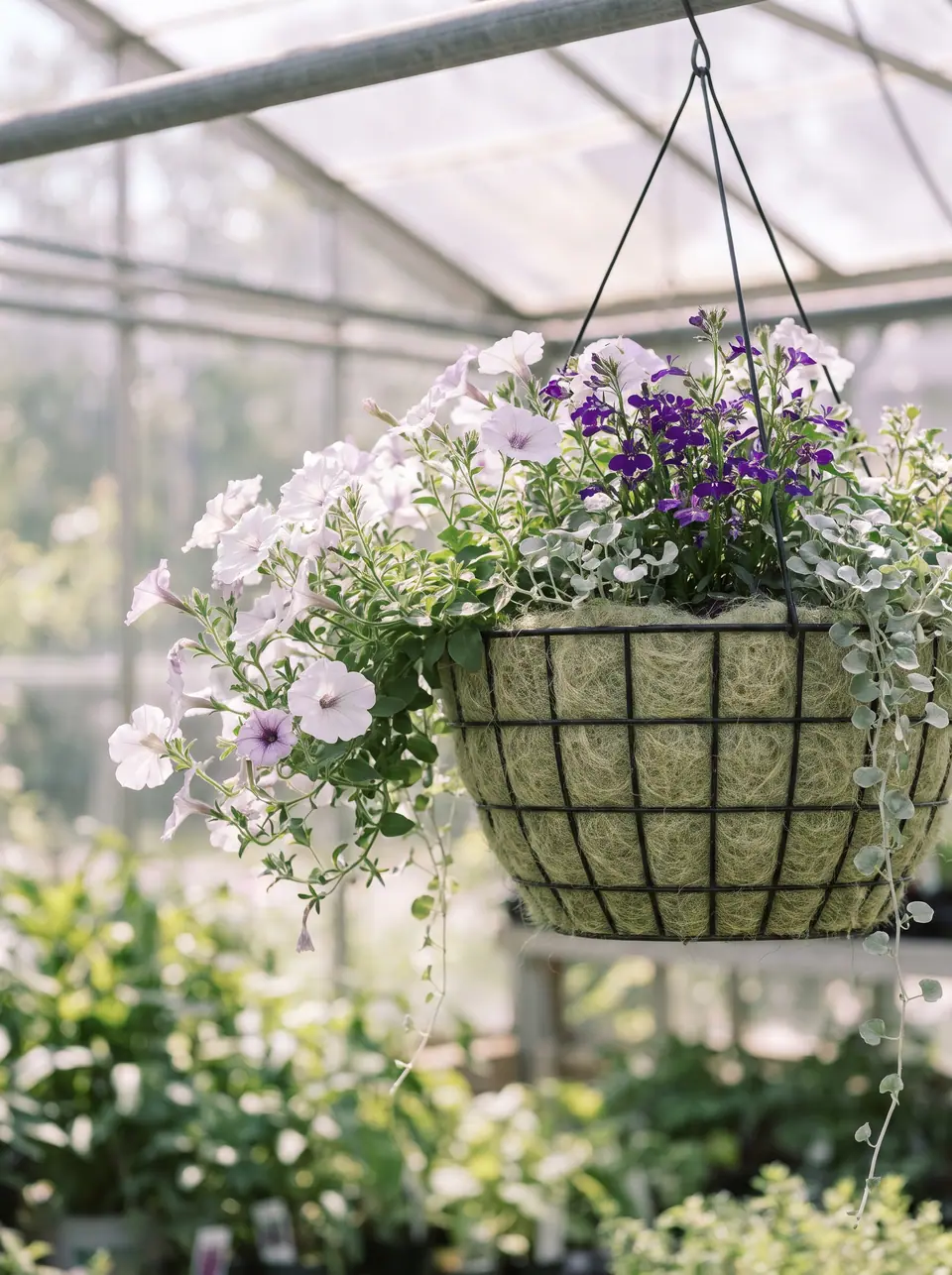
Garden-centre retail. Algon 2H on display benches, where an easy-clean face keeps the bench tidy, and Algon 4H in outdoor plant areas. Lantor 2H works well on benches behind the scenes.
White display benches. GroundCloud White has a white face for a lighter look. Be clear on the trade-off: it holds 2.5 L/m², less than GroundCloud Purple, so choose it for appearance rather than for water. Remember that University of Nebraska–Lincoln Extension reports light-coloured mats tend to develop algae unless covered.
For laying and care, see how to use capillary matting.
Wicking felts for living walls and reservoirs
Bench mats store water and spread it sideways. Wicking felts do a different job: they lift water upwards from a reservoir into a planted surface, as in a vertical garden. The Lantor AP range shows the trade-off clearly. The thin felts lift water highest but hold little; the thick felt holds more but lifts it less far.
| Felt | Weight | Thickness | Water holding | Capillary rise | Rolls |
|---|---|---|---|---|---|
| AP200 Black / AP200 White | 200 g/m² | 1 mm | about 1.2 L/m² | about 100–110 mm after 4 hours | 1.11 m × 50 m |
| AP250 Black | 250 g/m² | 1.5 mm | about 1.4 L/m² | about 100–110 mm after 4 hours | 1.11 m × 50 m |
| AP360 White | 360 g/m² | 5 mm | about 3.7–4.0 L/m² | about 45–50 mm | 1.53 m × 50 m |
Pick the felt by the height between the water and the roots. If that gap is more than about 50 mm, a 200 or 250 g/m² felt is the better choice.
Products mentioned
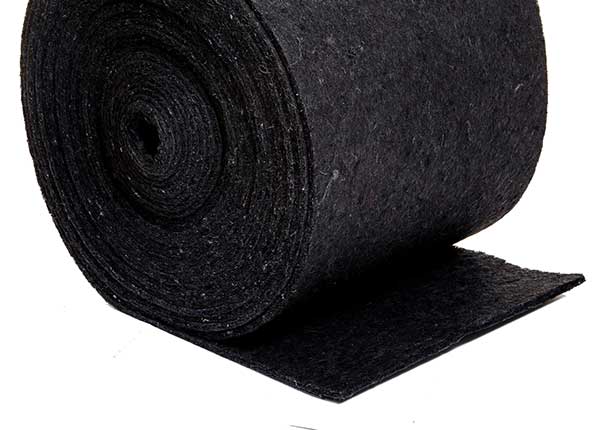 Lantor 2H
300 g/m² · 4 L/m² · 4 mm
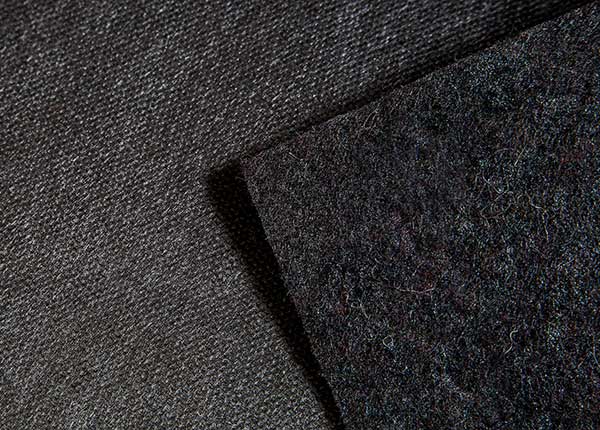 Algon 2H
350 g/m² · c. 3 L/m² · 3.5 mm
- Lantor 4H
550 g/m² · 5 L/m² · 8 mm
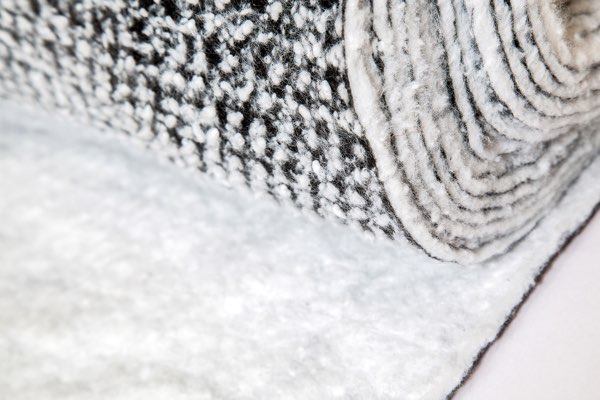 GroundCloud Purple
275 g/m² · 3.5 L/m² · 4 mm